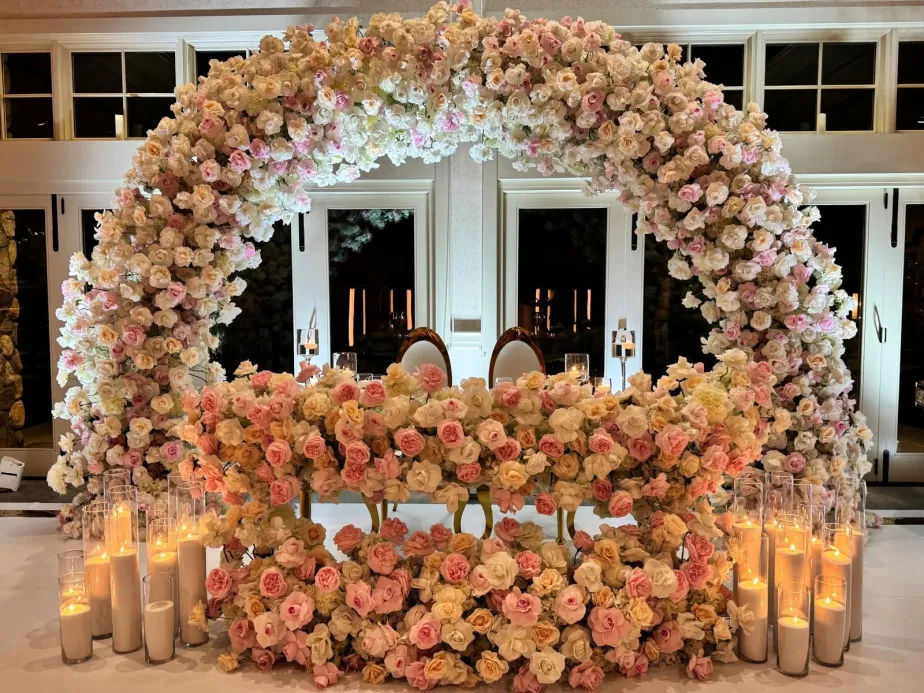
Nine out of ten proposal planners in Manhattan will tell you the same thing. Flowers make or break the scene. Not the ring. Not the photographer hiding behind a tree. Not the private rooftop rental. The flowers. They’re what the person being proposed to notices first when they walk into the space, and they’re what shows up in every single reaction photo and video that gets texted to family thirty seconds later. Our studio has been the floral partner behind proposals across NYC for years – working alongside planners, photographers, and sometimes just a nervous partner with a ring box and a very specific idea of how the moment should feel.
This trips people up. A couple reaches out wanting proposal flowers and describes something that sounds like a miniature reception. Centerpieces, garlands, an arch maybe. That’s not how proposals work. A proposal is one moment, one reaction, one scene. The floral design has to land instantly because there’s no processional building anticipation, no cocktail hour warmup, no gradual reveal. The person walks in, sees the setup, and either it hits or it doesn’t.
We design for that single impact. A concentrated arrangement in exactly the right spot. Petals on the ground forming a deliberate path or pattern. Candles and blooms creating an intimate pocket inside a larger space. Every stem placed with the understanding that the person seeing it will take in the whole picture in about two seconds flat.
Movies make it look like every proposal in New York happens in Central Park at sunset. Real life is messier and more creative than that. We’ve set up proposal florals on private terraces in Midtown high-rises where the only access was a service elevator that stopped running at 6 PM. Rooftop bars in Chelsea that gave us a 40-minute setup window between lunch service and the reservation. A private dining room at a West Village restaurant where we had to arrange everything in near-darkness because the lighting was part of the surprise.
Brooklyn Bridge Park, DUMBO waterfront, the Conservatory Garden upstage in Central Park, hotel suites at The Mark and The Langham, a borrowed friend’s apartment in SoHo with floor-to-ceiling windows facing downtown. Each location came with its own access headaches, its own lighting conditions, and its own set of rules about what we could and couldn’t do with the space. We figured out every single one.
Most of our proposal work comes through professional planners who specialize in this niche. Companies that handle the venue booking, the photographer, the videographer, the dinner reservation after, sometimes even the getaway car. We’re their floral arm. They send us the brief, the location photos, the color preferences, and a timeline. We send back a design concept and a quote. Turnaround is fast because proposals often get planned on compressed schedules. A guy decides on Tuesday that he’s proposing Saturday. It happens more than you’d think.
Communication with planners is tight and discreet. We confirm delivery address, setup time, completion deadline, and a “scene ready” text message once we’ve finished and cleared out. Some planners want to be on site during our setup. Others trust us to handle it solo and just need photo confirmation that everything’s in place before the couple arrives. Both approaches work fine. We’ve done this enough times with enough planning teams across the city to adapt on the fly.
We arrive quietly, work fast, and disappear before the couple shows up. Delivery vehicles are unmarked. Our crew knows how to enter a space without drawing attention.
Proposals don’t always come with weeks of lead time. We regularly turn around floral setups within 48 to 72 hours when the situation calls for it.
Secrecy is non-negotiable in proposal work. A florist who shows up at a restaurant carrying an obvious armload of roses and starts setting up in the dining room while the couple’s friends are seated nearby has blown the surprise. We’ve heard horror stories from planners about vendors who were careless with timing or too visible during setup.
Our crew uses plain transport containers. No branded vehicles parked out front. We coordinate entry timing with the venue so we’re finished and gone well before the arrival window. If the proposal is at a home or apartment, we arrange access through a friend, a doorman, or a building manager – never through the person being proposed to, obviously. Every detail of the logistics chain gets stress-tested for potential leaks before we commit to the plan.
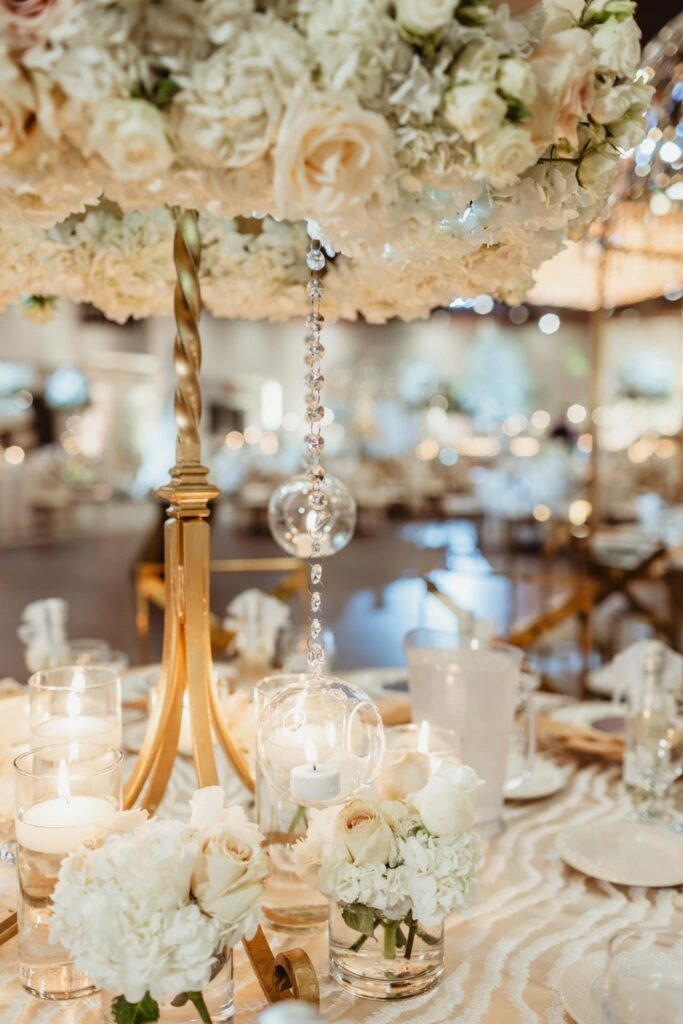
This varies wildly. Some partners want a simple, elegant arrangement waiting on a table at a candlelit restaurant. Others want us to cover an entire rooftop terrace in rose petals with candle-lined pathways leading to a central floral focal point.
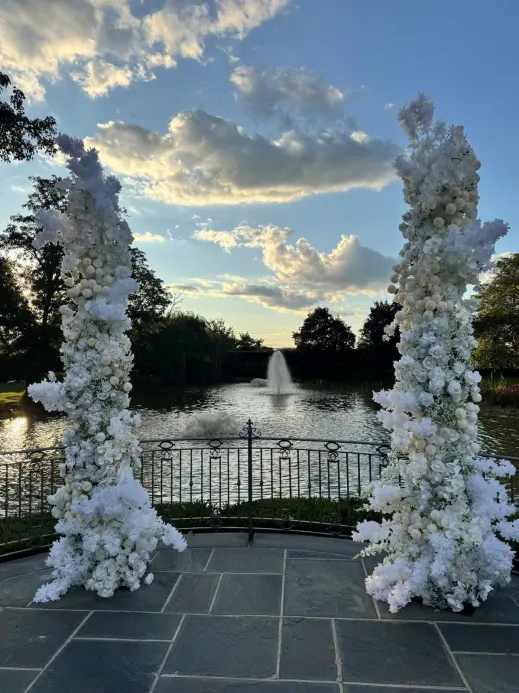
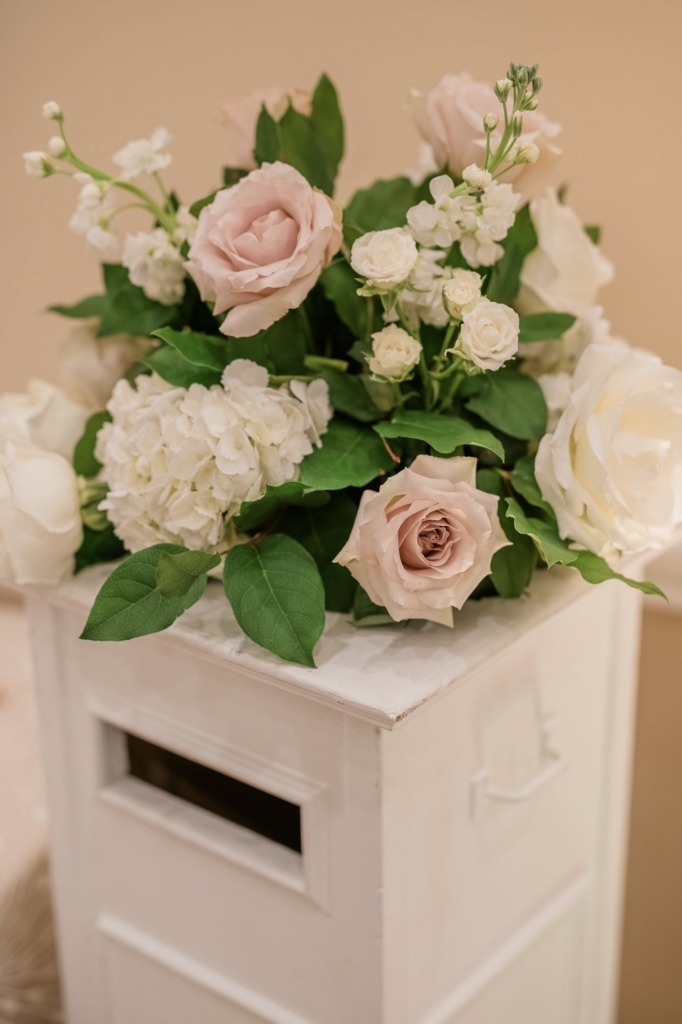
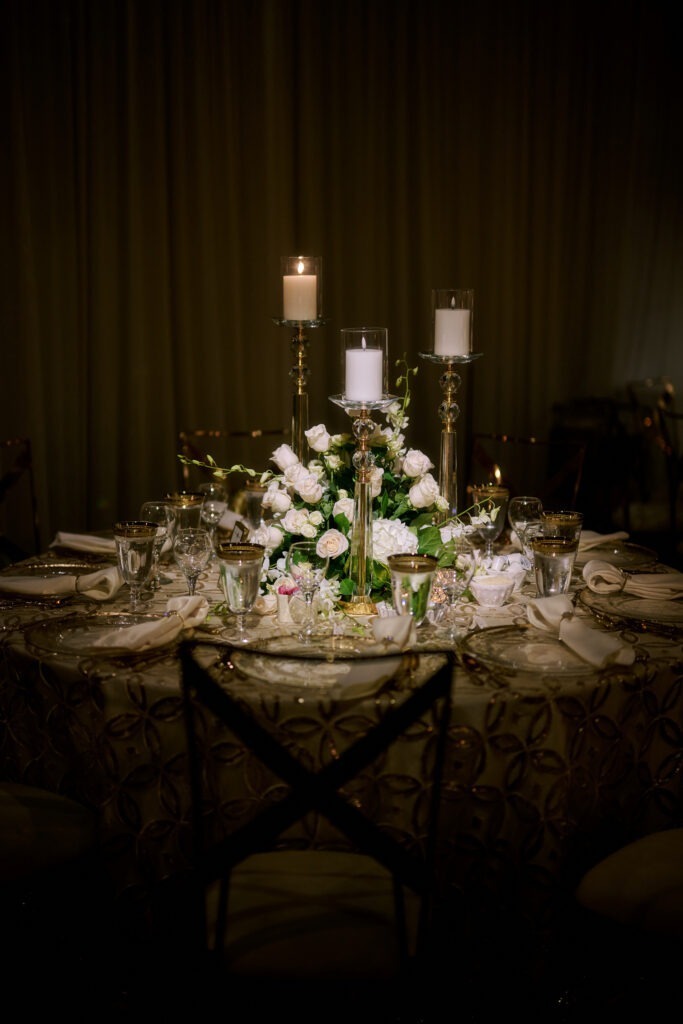
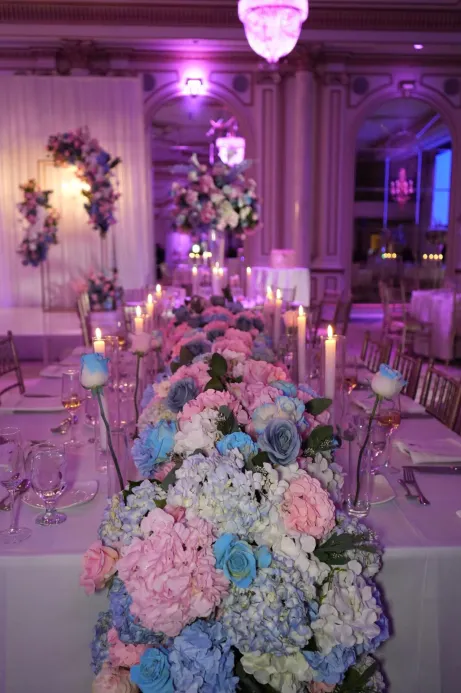
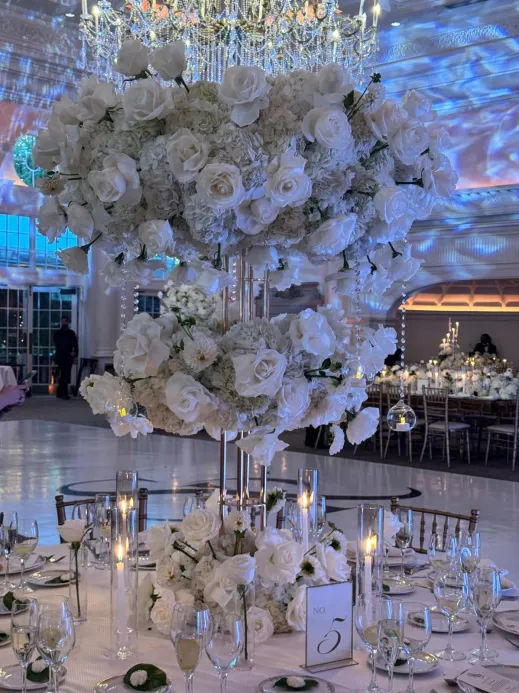
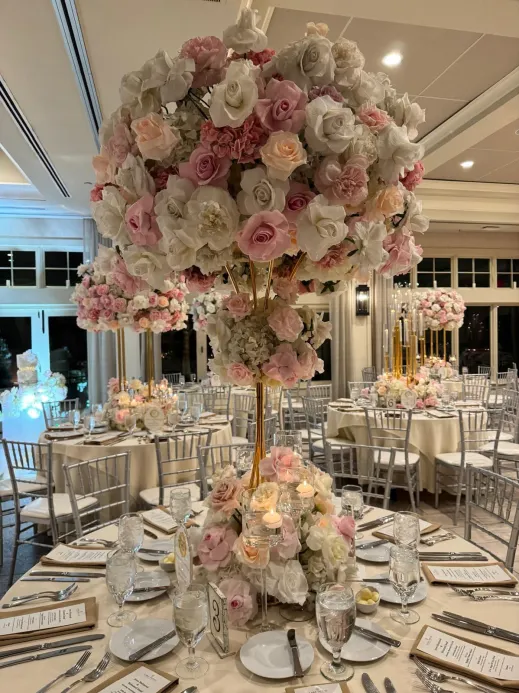
A few setups we’ve done recently to give you a sense of range. A winter proposal at a hotel suite near Columbus Circle – white and blush roses massed low on the windowsill framing a nighttime skyline view, candles on every surface, petals scattered on the bed and floor. Simple but the cumulative effect was overwhelming in person. A spring proposal on a private DUMBO terrace – a small arch covered in peonies and garden roses, petals forming a heart shape on the ground, and a garland draped along the railing with the Brooklyn Bridge lit up behind it. A fall setup at a Williamsburg restaurant – a single large arrangement on the table in moody burgundy and rust tones, no petals, no candles, just an incredible dense bloom cluster that said everything it needed to say.
The right approach depends on the person being proposed to. Not on what looks best on Instagram. We’ll ask questions about their personality, their taste, whether they’d love a grand gesture or cringe at one. The goal is a scene that makes them feel known, not performed at.
Rose petals on the ground are basically standard for NYC proposals at this point. They photograph well, they create a sense of occasion, and they’re one of the fastest ways to transform a plain space into something that feels intentionally designed.
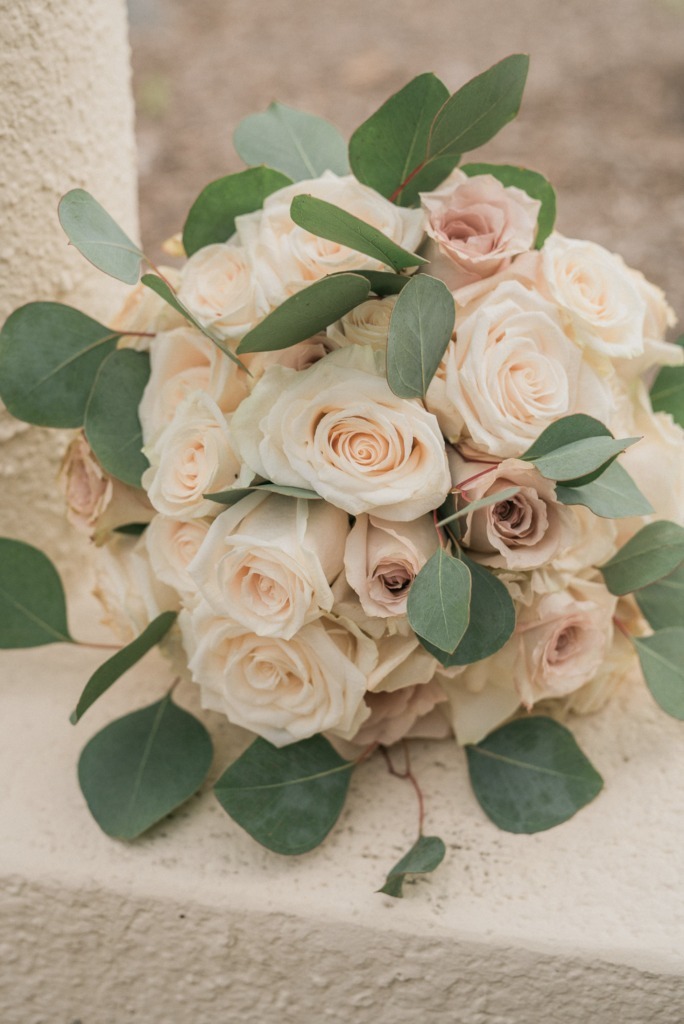
We source petals from the same market where we buy our arrangement stems. Real petals from real roses – not the freeze-dried stuff that feels like tissue paper and fades to brown in an hour. Color matching matters here. If the main arrangement is blush and ivory, the scattered petals should live in that same tonal family, not pull in a random red just because red feels “romantic.”
Candles are typically handled by the planner or the venue, but we coordinate placement so the floral elements and candlelight work as one cohesive scene. Lanterns, tea lights, taper candles in brass holders – the mix depends on the location and any fire-code restrictions the venue enforces. Indoor setups at hotels have stricter rules than an open-air terrace. We check every time.
Some couples plan a dinner or gathering immediately after the proposal. A private dining room. A reserved table at their favorite restaurant. A small party at a friend’s apartment where everyone’s waiting to celebrate. We can extend the floral work from the proposal scene into that next space.
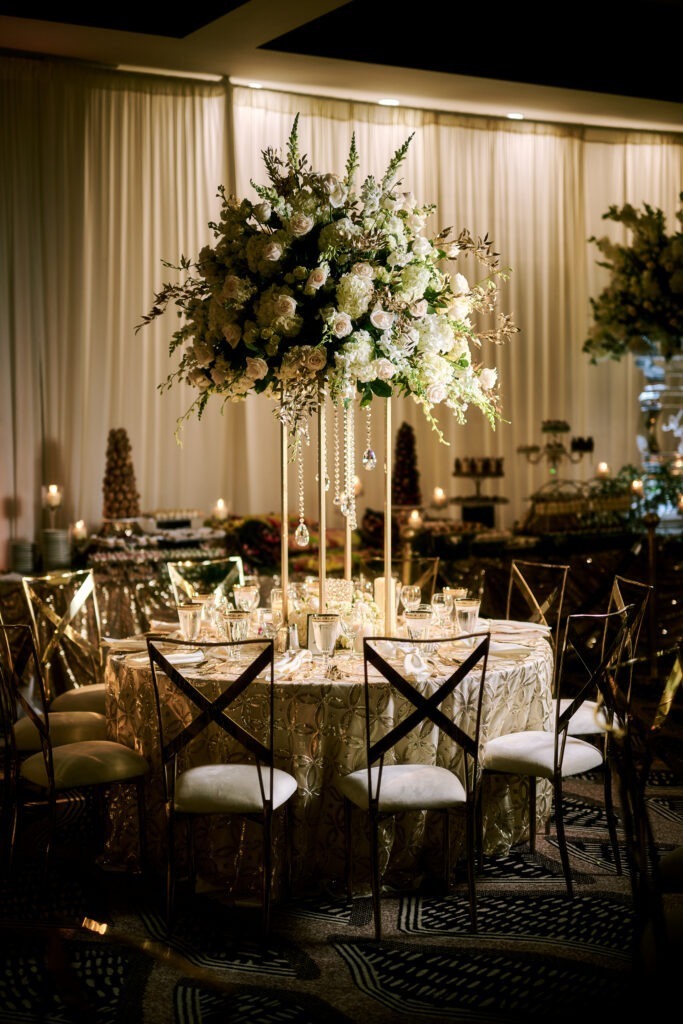
A simple table arrangement at the restaurant. Bud vases at each place setting. A congratulatory bouquet waiting at the dinner seat. These add-on pieces make the transition from “just proposed” to “celebrating with people we love” feel connected instead of disjointed. They’re also a nice surprise for the person who just said yes – the flowers keep showing up as the night unfolds.
Proposal setups range pretty broadly depending on scope. A focused arrangement with scattered petals for a restaurant or hotel room sits at a very different price point than a full rooftop transformation with an arch, a ground design, and multiple floral clusters.
We quote proposals as flat-rate packages that include blooms, petals, any non-floral elements we’re providing, delivery, setup, and removal. If the venue requires post-event cleanup, that’s built in too. We send the quote within a day or two of receiving the brief, and turnaround on confirmation is fast because we know these timelines are often tight.
For partners working with a planner, the planner usually manages the overall proposal budget and we coordinate directly with them on the floral portion. For partners reaching out to us independently – which also happens regularly – we’ll walk through the options and help you figure out how much floral impact you can get within your target spend.
A solid chunk of our proposal clients come back to us for wedding flowers. Makes sense. They’ve already seen our work, they trust the communication, and there’s something meaningful about the same studio designing flowers for the proposal night and the wedding day. It closes a loop.
We don’t pressure anyone into booking the wedding before the proposal dust has settled. That conversation happens naturally, weeks or months later, if it happens at all. But the option is there and a lot of couples like the continuity of having one floral team across both milestones.
Multiple NYC proposal planning companies keep us on speed dial. Reliable execution, discreet setup, and floral work that consistently photographs well enough to end up in the planner’s own portfolio.
Hotels, restaurants, rooftops, private homes, parks, terraces, boats, and a few locations we probably shouldn’t name. Each one had unique access constraints and we handled every single one.
Standard lead time is one to two weeks. Rush timelines of two to three days are doable. We’ll tell you upfront if something genuinely can’t be pulled together in time.
Unmarked vehicles. Plain transport packaging. Coordinated entry and exit timing. We treat your proposal details as confidential because they are.
Call us at (929) 833-8990 or send a message through the form below. Tell us the date, the location if you have one, and a rough idea of what you’re picturing. We’ll get back to you fast. If you’re working with a planner, feel free to have them reach out directly.