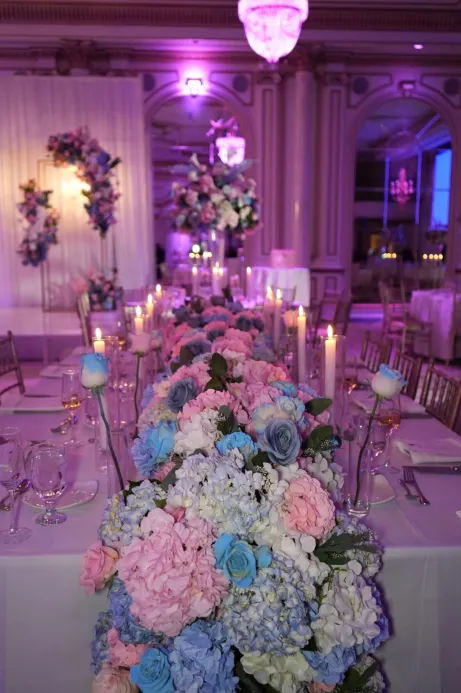
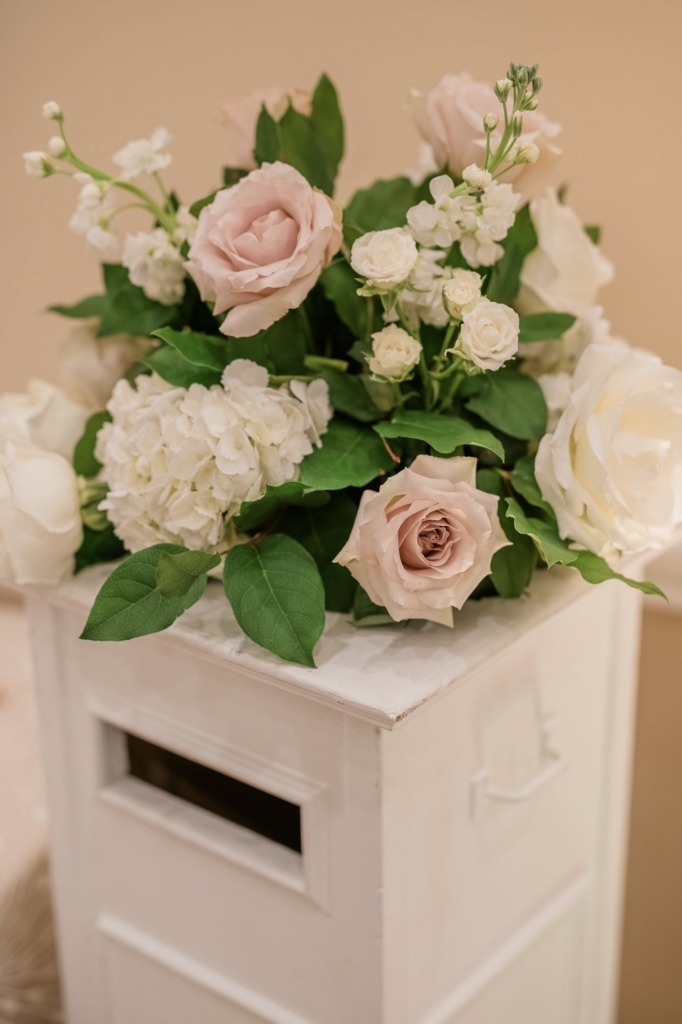
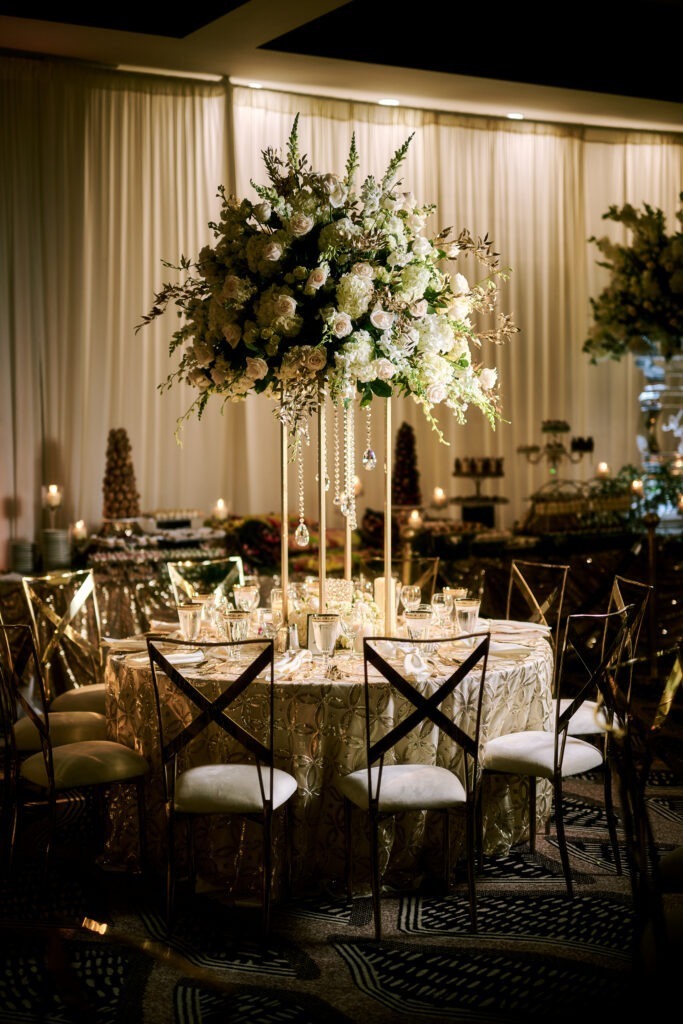
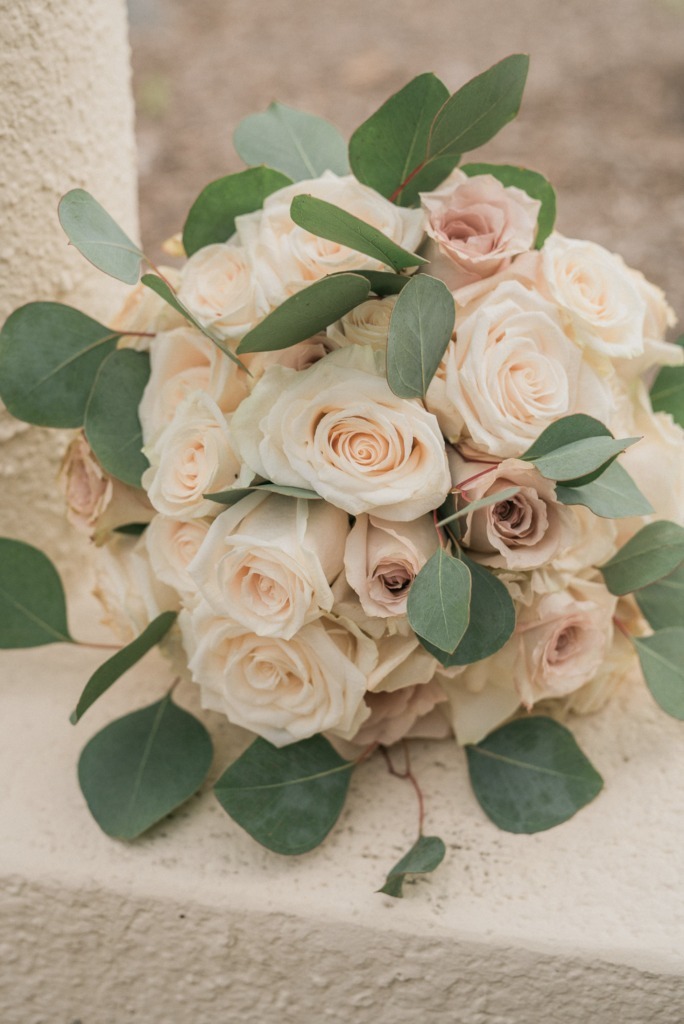
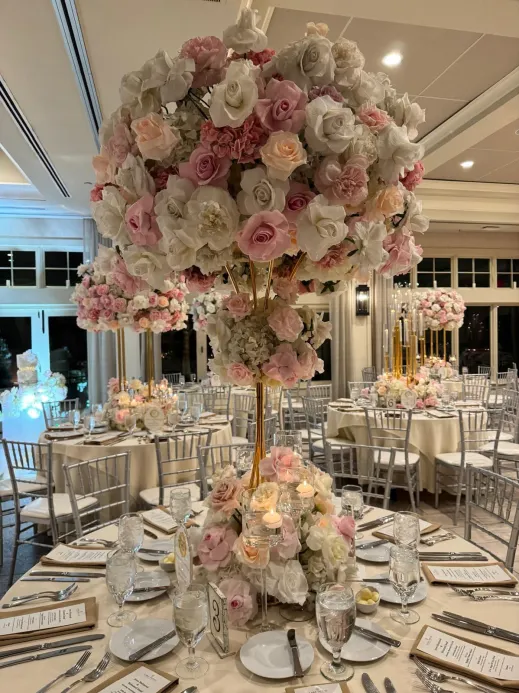
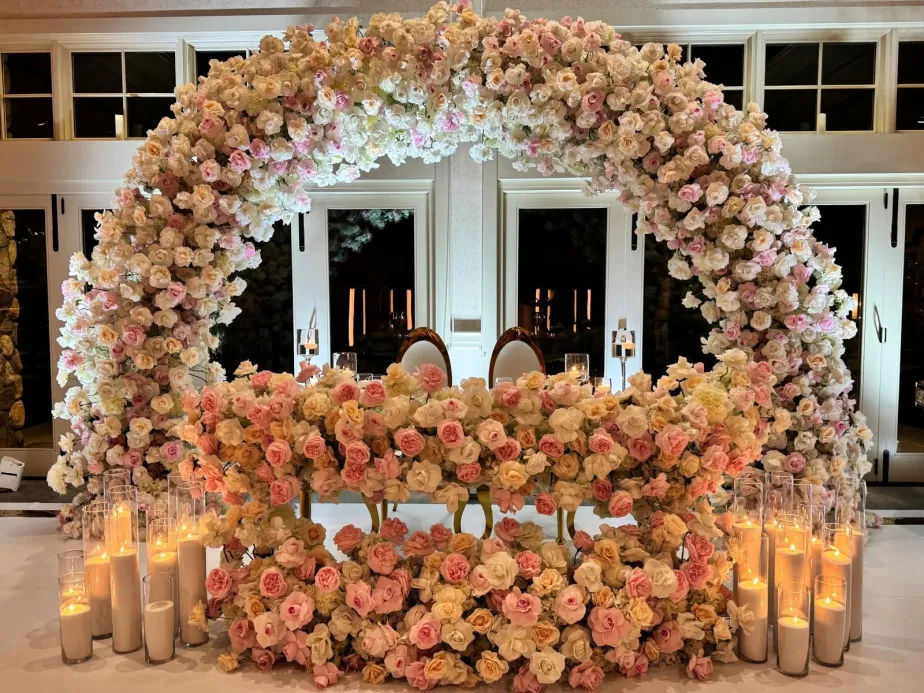
Our studio started with a single wedding. A Friday ceremony at a small restaurant in the West Village back in 2014. The bride was a friend of a friend. The budget was tight. The flower order was a bridal bouquet, six table arrangements, and a handful of boutonnieres. Nothing fancy. But something clicked that weekend. Watching a bride pick up a bouquet we’d built with our own hands and tear up before she even left the getting-ready room – that hit differently than anything we’d done before in the floral world. By Monday we’d cleared the schedule and started calling every wedding planner in Manhattan.
A decade in this city working exclusively on weddings and events taught us things you can’t pick up from a textbook or a weekend floral design workshop in somebody’s garage. Like the fact that peonies from Dutch auctions hold up six hours longer than the ones coming out of certain South American farms – but only during specific weeks of the growing season. Or that the freight elevator at a particular Midtown hotel shuts down for maintenance every other Saturday at 2 PM and nobody tells you until you’re standing in the lobby holding forty pounds of garden roses with nowhere to go.
We learned by doing. By screwing up occasionally and fixing it before anyone noticed. By showing up to 4 AM wholesale market runs in January when the floor was freezing and the good ranunculus lots were gone by 4:30. By staying at venues past midnight to break down installations after every guest had left because leaving that job for the cleaning crew felt wrong.
That accumulation of firsthand knowledge is what our couples are actually hiring when they book us. Not a logo or a website. Not a curated Instagram grid. A team of people who’ve physically built floral arrangements inside more NYC wedding venues than we can count off the top of our heads and solved problems at most of them that nobody warned us about in advance.
We operate out of a working studio on West 56th Street in Midtown. Not a retail flower shop with a cooler in the back. A production space built around wedding work – design tables, conditioning stations, multiple cooler units set to different temperature zones, fabrication area for arch and chuppah frames, and enough floor space to stage a full wedding’s worth of arrangements simultaneously before loading the van.
The location was deliberate. We’re walking distance from the NYC wholesale flower district, which means we’re at the market in person multiple mornings a week pulling stems by hand rather than ordering blind from a catalog and hoping the quality matches the photo. When a shipment of high-altitude Ecuadorian garden roses hits the floor at 5 AM on a Tuesday, we’re standing there ready to grab the best fifty stems before anyone else touches them. That proximity to the source is a genuine competitive edge and our couples see the difference in bloom quality on their wedding day.
Midtown also puts us within reasonable driving distance of every borough we service. Manhattan venues are right outside our door. Brooklyn is across a bridge. Queens is through a tunnel or over the Queensboro. Staten Island takes longer but the route is mapped and timed down to the minute. LIC is practically next door. No matter where your wedding happens in the city, the flowers are coming from a central location that minimizes transit time and maximizes freshness.
Not a rotating roster of freelancers who got pulled off a staffing app the morning of your wedding. Our lead designers are full-time members of the studio who’ve been with us for years. They know our sourcing standards because they do the sourcing. They know our construction techniques because they developed most of them. They know the difference between how a garden rose opens in a cool church versus a warm ballroom because they’ve watched it happen hundreds of times in real conditions.
When you book with us, one designer gets assigned to your project. That person runs your consultation, builds your proposal, selects your stems at the market, oversees the arrangement builds, supervises the delivery and installation, and does a final walkthrough of your venue before guests arrive. One person from start to finish who knows your preferences, remembers your color opinions, and can make judgment calls on the fly during installation because they’ve been living inside your wedding plan for months.
We don’t hand you off. Ever. The person you meet during your first phone call is the same person adjusting a boutonniere pin in the groom’s suite on your wedding morning. That continuity matters more than almost anything else we do because it eliminates the telephone-game problem that plagues bigger operations where the salesperson, the designer, and the installer are three different people who’ve never been in the same room together.
The New York City wholesale flower market is one of the largest and most diverse cut flower markets in the country. Growers from Ecuador, Colombia, Holland, Japan, California, and local Northeast farms all funnel product through this district and we’re there before dawn on delivery mornings sorting through the inventory in person.
Hand-selecting stems matters because quality within the same variety varies enormously bucket to bucket. One container of ranunculus might have stems with three-inch heads at peak bloom. The container right next to it, same grower, same variety, has smaller heads with visible petal damage from rough handling during transport. A florist ordering by catalog gets whichever bucket the wholesaler grabs. We pick up the stems ourselves, inspect them, and only take what meets our standard.
Seasonal sourcing drives a lot of our design recommendations. We’d rather steer you toward a bloom that’s peaking during your wedding month than force an out-of-season variety that costs triple and won’t look as good. Peonies are glorious in May and June. Dahlias own September and October. Ranunculus peak in late winter and early spring. Garden roses are available year-round but the best lots come through during the warmer months. We walk you through all of this during the design phase so your arrangements are built around whatever the earth is producing at its absolute best that week.
This matters more than people realize when choosing a florist. A general flower shop splits its energy between walk-in customers, corporate accounts, sympathy arrangements, holiday rushes, and maybe a handful of weddings per year squeezed in around everything else. Their cooler is stocked for variety, not for any single wedding’s specific needs. Their staff rotates between making $60 bouquets for birthday deliveries and $6,000 ceremony installations, which are completely different skill sets.
We don’t do birthday deliveries. We don’t do corporate lobby arrangements. We don’t have a retail counter where people walk in off the street and point at whatever’s in the cooler. Every stem we buy, every cooler shelf we fill, every design hour on the calendar goes toward somebody’s wedding or event. That focus shows up in the product because our designers aren’t context-switching between a $40 sympathy spray and a $15,000 reception floral package. They’re doing one kind of work all day, every day, and they’ve gotten extremely good at it.
Wedding florals don’t exist in a vacuum. The lighting designer needs to know where our focal arrangements sit so they can aim pin spots accurately. The photographer wants to understand the floral layout before the ceremony so they can pre-plan shooting angles. The caterer needs to know how much table space our centerpieces occupy so they can set plates and glasses without crowding. The planner needs our setup timeline integrated into the master schedule.
We’ve built working relationships with dozens of wedding planners, photographers, venue coordinators, lighting designers, and caterers across the city over the past decade. Those relationships translate into smoother coordination on your wedding day because we’re not introducing ourselves to your other vendors for the first time at the setup rehearsal. In many cases, we’ve already worked together multiple times and there’s an established shorthand that saves time and prevents miscommunication.
When couples ask us for vendor recommendations, we share names based on firsthand experience. Not paid referral partnerships. Not kickback arrangements. Just honest opinions about who does excellent work and who we trust with our couples’ weddings. The vendors who trust us with the same kind of referral in return is how the majority of our bookings originate.
We could tell you we’re great. Wouldn’t mean much coming from us. The feedback that carries actual weight comes from the couples whose weddings we’ve designed – the ones who texted us the morning after saying the flowers were the thing guests kept mentioning. The mother of the bride who called to say she cried when she saw the ceremony space. The groom who told his photographer to make sure they got a close-up of his boutonniere because he’d never worn a flower that looked that good.
Our reviews live on Google, on wedding directories, and on our own website. Read them carefully. You’ll notice that people don’t just say “the flowers were beautiful.” They mention specific arrangements by name. They comment on how smooth the communication felt. They talk about small moments – a designer who noticed a drooping stem during portraits and quietly replaced it without being asked, an extra boutonniere that appeared out of nowhere when the couple realized they’d forgotten to order one for the bride’s uncle.
Those details aren’t marketing. They’re habits. And habits are built over years of doing this work with the kind of attention that turns a one-time client into someone who calls us again for their first anniversary, their baby shower, their parents’ 40th wedding anniversary dinner.
First conversation. You call or fill out our contact form. We respond within a business day. Quick chat about your date, your venue, your rough guest count, and what you’re imagining. No pressure. No hard sell. Just two people talking about flowers.
Design consultation. In person at our Midtown studio or over video if that’s easier. We look at your inspiration images, talk about palette and style, discuss your venue’s specific characteristics, and start narrowing down the direction. Usually runs about an hour. You walk out with a clear sense of who we are and how we think.
Proposal. Within a week of the consultation, you receive a detailed written proposal. Every floral element itemized individually with bloom types, quantities, and pricing. Centerpieces separate from ceremony pieces separate from personal flowers. Total at the bottom. No bundled mystery numbers.
Revisions. The proposal is a living document. We revise it as your plans evolve. Guest count changes, venue layout shifts, you found a new inspiration image that changes everything – all normal. We adjust the plan and the pricing until you’re completely comfortable.
Final walkthrough. Two to three weeks before the wedding, we finalize every detail. Stem selections confirmed. Delivery timeline locked. Setup sequence coordinated with your planner and venue. Last chance for tweaks.
Wedding week. Market runs for your specific stems. Conditioning begins in our cooler. Arrangements built over one to two days depending on the scope. Quality check on every piece.
Wedding day. Delivery. Installation. Final adjustments under real lighting. Walkthrough with your planner. Bouquet delivery to the getting-ready suite. We’re on call throughout the event for emergencies and we return after for strike and cleanup.
That’s it. Nothing mysterious. Nothing proprietary. Just a clear sequence that keeps everyone aligned and eliminates the surprises that make wedding planning stressful.
Our couples get married all over New York City and we go wherever they go. Manhattan from the Upper East Side to the Financial District. Brooklyn from Williamsburg to Red Hook. Queens from Long Island City to Bayside. Staten Island from Todt Hill to the South Shore waterfront. Every neighborhood has its own venue quirks, its own aesthetic personality, and its own logistical challenges. We’ve absorbed all of it over years of showing up with packed vans and solving whatever the room throws at us.
If your venue is somewhere we haven’t been before – and at this point that’s increasingly rare – we do a site visit well in advance so we’re walking in on the wedding day with full knowledge of the space rather than figuring it out while the clock ticks.
Best way to find out if we’re the right fit for your wedding is to have a conversation. Call us. Tell us what you’re planning. Ask us hard questions – about pricing, about sourcing, about what happens when things go sideways on a wedding day. Our answers won’t be rehearsed because every wedding is different and we’d rather give you an honest, specific response than a polished generic one.
(929) 833-8990 50 W 56th St, New York, NY 10019 Mon – Sat: 9:00 AM to 6:00 PM